Build a Flexible Day-Out Plan That Can Change
Plan a day around one meaningful activity, realistic travel, and a simple backup so changing weather, energy, or opening hours do not derail the outing.
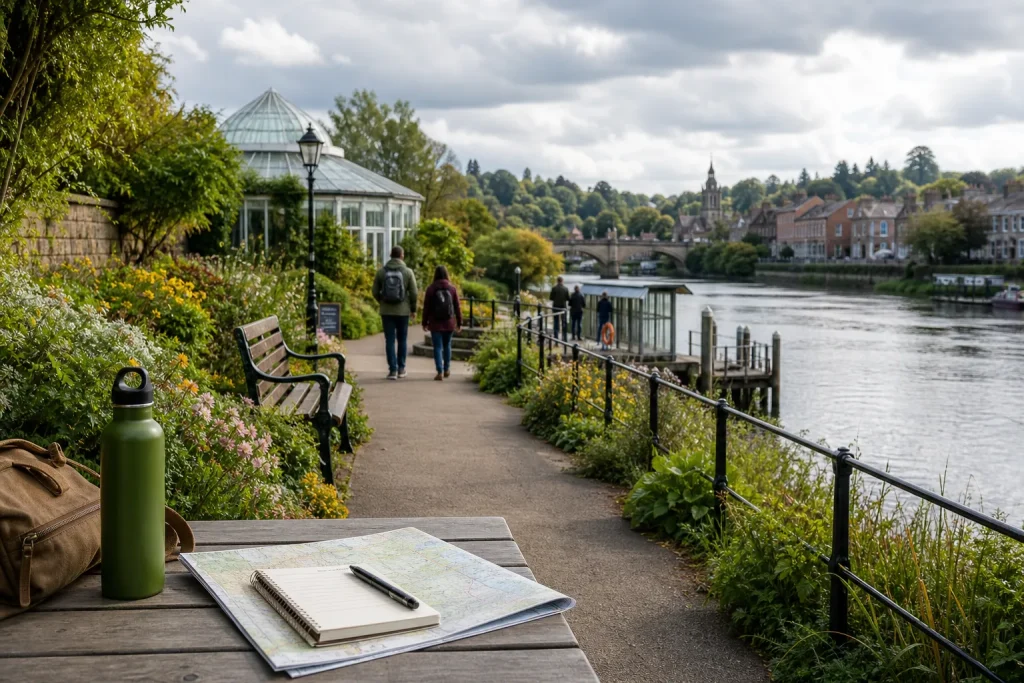
A satisfying day out does not need a packed itinerary. Too many stops can turn a relaxed visit into a race, while no plan at all may leave you deciding what to do at every turn. A useful middle ground is to choose one main activity, make room for getting there and taking breaks, then identify a nearby alternative. This gives the day a shape without requiring every hour to go as expected.
The method works for a neighbourhood visit, a small-town excursion, or an afternoon outdoors. It also suits a budget-conscious approach: a clear anchor makes it easier to avoid filling spare time with unplanned purchases or long detours. Think of the plan as a set of choices rather than a timetable. If conditions change, you can keep the part that still works and adjust the rest.
Choose one anchor for the day
Start by naming the activity that would make the outing feel worthwhile. It might be visiting a local garden, browsing a market, walking to a viewpoint, or seeing an exhibition. Keep the choice specific enough to guide decisions, but not so broad that it demands several extra stops. “Explore the waterfront” can become “walk the riverside path and pause at the old ferry landing.” A clear anchor helps you decide what belongs in the plan and what can wait for another day.
Check the practical conditions that could affect that activity: whether it is open, whether admission or advance booking is needed, and whether access depends on weather or a particular arrival time. Use current information from the venue or local transport provider when relevant. Then decide what a shortened version would look like. If the garden visit is the anchor, perhaps seeing one section is enough. Defining that smaller version in advance makes it easier to adapt without feeling that the day has failed.
Allow for the journey, not just the destination
Map the route from your starting point to the anchor and note the main choices: walking, public transport, cycling, or driving. Consider connections, service changes, parking, and the walk from a stop to the entrance. Rather than planning around the quickest possible route, choose one that feels manageable and leaves room for an ordinary delay. If the journey itself is likely to be tiring or complicated, simplify the destination plan instead of adding more activities.
Also decide how you will get home. Identify a return route and a practical point at which you can head back, especially if transport is less frequent later in the day. Save useful addresses or route details where you can access them offline if needed. These small preparations are not a demand to follow a rigid schedule; they give you enough information to make a calm choice if you are tired, the weather turns, or a connection does not suit you.
Make space for breaks and unplanned pauses
Give the outing a natural place to pause, such as a café, a public seating area, or a sheltered spot near the route. You do not need to reserve every break in advance. Instead, notice where a pause would fit and what options are available if you need one. Bring water and any personal essentials that make the day more comfortable, while keeping the bag light enough for the route you have chosen.
Leave open time around the anchor rather than filling every gap with another destination. A market visit may take longer than expected because you stop to look around; a walk may move slowly when the path is busy. If you finish early, you can take a short detour or sit and watch the place around you. If you finish late, the open space lets you return without dropping something you had been counting on. The aim is not to predict every pause, but to make room for them.
Choose a backup that solves a real problem
A useful backup is close enough to fit the same outing and different enough to work when the original plan cannot. If the anchor depends on dry weather, consider an indoor gallery nearby. If it may be closed, choose a public garden, historic street, or covered market that does not rely on the same opening conditions. Check the alternative’s basic access details too. A backup that needs a long journey, a separate booking, or extra spending may create more decisions than it removes.
Think through the conditions that would prompt a switch. You might change plans if the venue is closed, the route is disrupted, rain makes the walk unpleasant, or your energy is lower than expected. Keep the decision simple: stay with the anchor if it remains comfortable and available; otherwise, use the nearby alternative or head home. You do not have to replace every cancelled activity. Sometimes the most practical backup is a shorter visit, a warm drink, or an early return.
Keep costs and choices visible
Before leaving, note which parts of the day involve spending: transport, admission, food, or optional treats. Check for free access, concession arrangements, or public spaces that let you enjoy the area without buying anything, using current information rather than assumptions. Decide which expense matters most to you. For one person, it may be the exhibition ticket; for another, it may be lunch. Knowing your priority makes it easier to say no to add-ons that do not improve the day.
Keep food and comfort decisions practical. You might bring a snack, plan to eat at a familiar place, or leave room to choose a local café after you arrive. Consider dietary needs, opening hours, and whether there is somewhere suitable to sit. Avoid making the backup depend on spending more than the main plan. A flexible day can still be thoughtful when its choices are bounded: one anchor, one alternative, and a few low-cost ways to pause or extend the visit.
Use a worked example to test the shape
Hypothetical worked example: Imagine you are starting near a bus stop on a cloudy morning, want to visit a riverside garden, and prefer not to pay for several attractions. The garden is the main activity, but the forecast could make a long outdoor visit uncomfortable. You check the garden’s current opening information and the bus route, then identify a small indoor local-history gallery within an easy walk as an alternative. You bring water and a snack, and choose a nearby café only as an optional pause rather than a required stop.
On the day, you take the bus to the garden and see how the weather feels. If the paths remain comfortable, you walk one section, rest, and return by the planned route. If rain makes the visit unpleasant, you switch to the gallery and accept that the outing will be more indoor-focused; if the gallery is unavailable too, you shorten the day and head back. The tradeoff is clear: the plan may offer fewer stops, but it avoids a long detour or pressure to spend just to fill time.
Conclusion: Plan the shape, not every moment
A flexible day-out plan rests on a few useful decisions: choose one activity that matters, understand the journey, leave room for breaks, and select an alternative that responds to a likely change. Check current details where access or transport could affect the outing, but do not try to control every detail. The point is to make the important choices before you leave, when there is time to compare options calmly.
Once you are out, treat the plan as permission to adjust. Stay longer when the place is welcoming, switch when conditions make the anchor less suitable, or return early when that is the better choice. A day does not need a full itinerary to feel complete. With one clear purpose and a few practical options, you can explore at a comfortable pace and let the place itself shape what happens next.